

More sustainable Housing for the Elderly option adopted
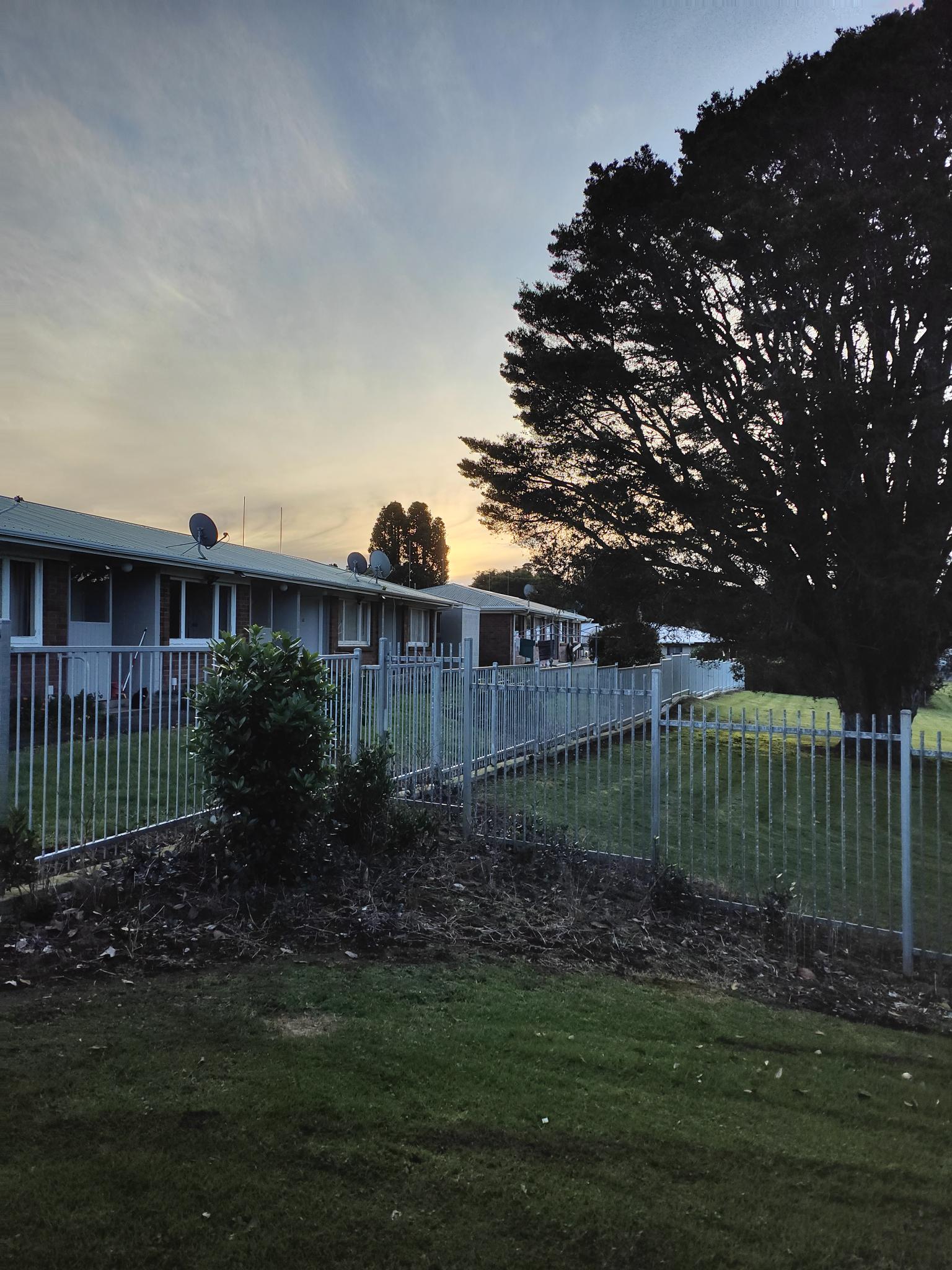
A new rent-setting approach has been confirmed that will better support elderly tenants while keeping the council-run Housing for the Elderly service affordable for ratepayers.
During the council meeting last week (Thursday 11 December), elected members agreed to change how rents are set for Housing for the Elderly units across the Far North. The decision reflects months of careful consideration about how to balance affordability for elderly tenants with the rising cost of maintaining safe, warm, and well-managed homes.
From now on, rent reviews will no longer be tied to annual CPI adjustments. Instead, rents will be set according to whichever is the least expensive of the following two options:
- 60 per cent of market rent
- 30 per cent of net NZ Superannuation, plus the maximum accommodation supplement applicable to the unit’s location.
Couples will pay an additional $20 total in rent per week.
The council currently owns 144 Housing for the Elderly units, of which 129 are currently tenantable. However, the cost of maintaining these homes has been increasing faster than the rental income received, with the balance being topped up from from general rates. The updated rent-setting method aims to keep rents fair for tenants while ensuring the service remains financially sustainable into the future.
This approach helps keep rents proportionate for most tenant incomes and reflects the level of financial support available through Te Hiranga Tangata / Work and Income New Zealand. It also reduces the need to rely on general rates to subsidise the service.
For tenants receiving the accommodation supplement, the change will mean rent increases between $16 and $28 per week. Those who do not receive the supplement may see increases between $50 and $100 per week. Council staff will meet with tenants early next year to discuss how they may be impacted and to help connect them with any financial support they may be eligible for.
The changes take effect from 12 December 2025 for new tenants. To comply with the Residential Tenancy Act, changes will take effect from 1 April 2026 for tenants who have lived in the units for 12 months or longer. For other tenants, changes will take effect once the initial 12 months have been completed, with future rent reviews scheduled annually on 1 July starting in 2027.
More information about the units can be found on our website here.
Tags: News story