Decisions on Māori representation
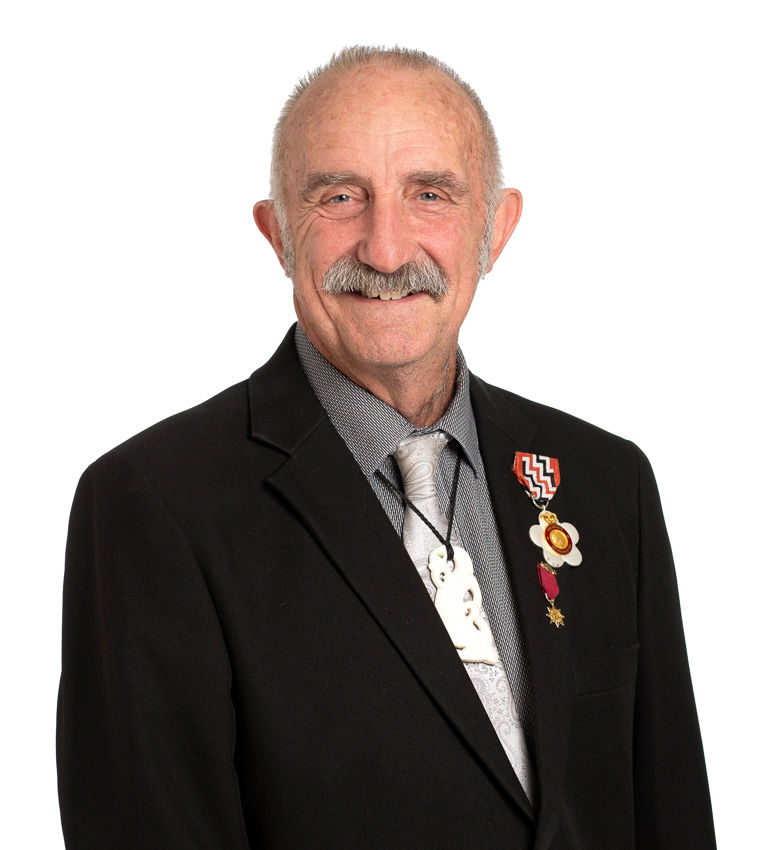
By Mayor John Carter
During our next elections in 2022, Far North electors will not only be asked to pick their preferred candidates, they will also be polled on whether we should have Māori wards in our district. My own view is that we should.
During our next elections in 2022, Far North electors will not only be asked to pick their preferred candidates, they will also be polled on whether we should have Māori wards in our district. My own view is that we should. I believe everyone in our district will benefit by providing our Māori community with a guaranteed seat at the Council table. I agree with Haami Piripi, Chair of Te Rūnanga o Te Rarawa, who recently told the Council that our region’s growth and development may well depend on a more functional relationship with Māori and the resources they control. He asked that the Council adopt Māori wards during its meeting last week. Five of our Councillors agreed and raised a motion to establish Māori wards ahead of the 2022 and 2025 local body elections. Reluctantly, I voted against that motion and I want to explain why.
In 2015, the Far North District Council polled voters on establishing Māori wards in our district. Only 45 per cent of voters took part and rejected the option by 67 per cent. Under the Local Electoral Act 2001, a decision by any council to establish Māori wards can be reversed by a public referendum paid for by the ratepayer. Just 5 per cent of voters are required to demand the Council undertake a poll on Māori wards and these have occurred in Kaikōura, Whakatāne, Western Bay of Plenty, Manawatū and Palmerston North – all rejecting decisions to establish Māori wards. Achieving that 5 per cent threshold in the Far North would require just 2156 electors based on enrolments during the 2019 local body election.
In the days leading up to last week’s Council meeting, Councillors and I were bombarded by emails demanding that we reject Māori wards. Many came from outside our district and I believe were orchestrated by the group, Hobson’s Pledge. I was saddened by the opinions expressed in some of these emails. It also demonstrated quite clearly to me that there is a lot of disinformation, misunderstanding and fear in the community about how representation could be affected by Māori wards. This convinced me that any decision to adopt Māori wards for our 2022 and 2025 elections would likely be overturned by a publicly-initiated poll, effectively shelving representation changes for another six years.
Around half of our Far North residents identify as Māori, as do several of our Councillors. Despite that, Māori do not feel well represented by the Council and believe key principles of the Treaty of Waitangi are not applied. I believe that ensuring that Māori have a voice in decision making will be vital for the ongoing economic, political and cultural growth of our district. We now have two years to explain why and how this will benefit our whole community. I have trust and faith that our people can decide this issue based on clear and unbiased explanations. It is now up to the Council to ensure all of our people are well-informed about the decision they will be asked to make.
Last updated: 04 Apr 2024 12:56pm
ℹ️ You can also subscribe to our monthly newsletter to receive a summary of the latest news and updates from the district, delivered directly to your inbox. Sign up here.