Feedback sought on the future of Far North history
The home of an exceptional collection of taonga Māori and the oldest European artefact in New Zealand – the De Surville anchor – is seeking feedback on plans to improve the way people experience the Far North’s unique history.
The home of an exceptional collection of taonga Māori and the oldest European artefact in New Zealand – the De Surville anchor – is seeking feedback on plans to improve the way people experience the Far North’s unique history.
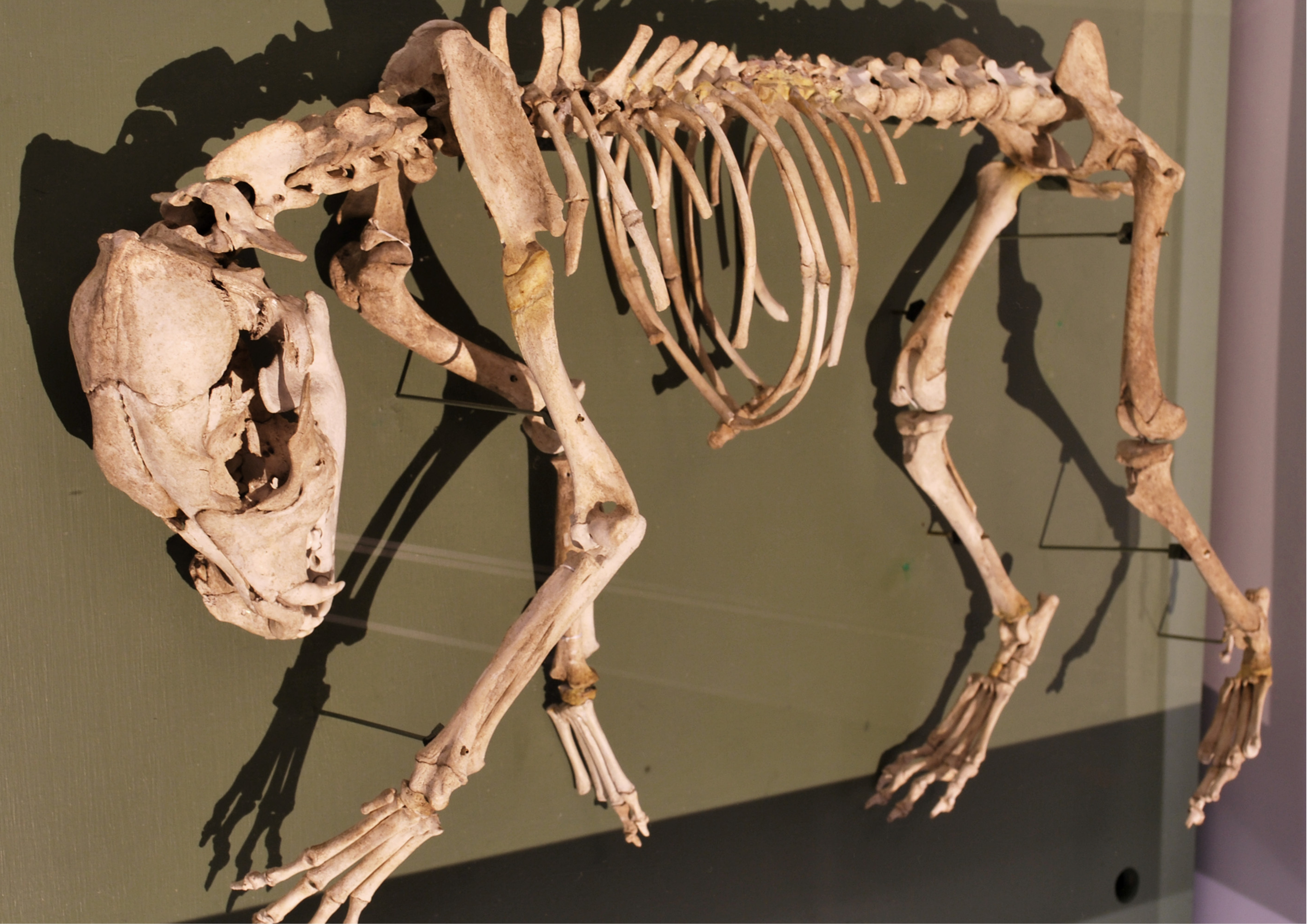
Artefacts held by the Museum @ Te Ahu (formerly known as the Far North Regional Museum) tell the unique story of Te Hiku o te Ika (Far North). Its pre-European Māori collection includes pounamu, early carvings and 500-year-old skeletal remains of the extinct kuri (Polynesian dog). Later history is documented by the massive De Surville anchor, one of three lost in 1769 at Doubtless Bay and now displayed permanently at the museum, and by the extensive Northwood photo collection.
After consulting with partner and stakeholder groups, the Museum @ Te Ahu has drafted a five-year strategy to help achieve a vision “to connect the world with the history and culture of the Far North, Aotearoa, New Zealand”. The museum is now inviting the people of the Far North – those most closely connected with the history the museum keeps alive – to provide feedback on its six strategic goals.
The ambition for the museum, which is managed jointly by the Far North Regional Museum Trust and Far North District Council, is to enrich the collection, build better digital experiences, create stronger community partnerships and provide improved educational “discovery” programmes. This will help the museum sustain itself financially and secure its future.
Far North Mayor John Carter says the Museum @ Te Ahu has come a long way since it was formed 51 years ago. “It now has a full-time curator, a part-time assistant and is supported by a dedicated team of volunteers. This five-year strategy represents a significant step in its evolution and will help ensure our history and identity lives on.”
He says providing feedback on the draft strategy is a rare opportunity to influence how the district’s culture and heritage is preserved and shared. “If your history, culture and heritage is important to you, I urge you to share your thoughts and help shape the museum’s future.”
The draft strategy opens for consultation on Friday 29 January and feedback will be welcomed until the end of February. The strategy will be available at libraries, service centres and iSITEs, as well as online at www.fndc.govt.nz/museum-strategy. Feedback is preferred digitally via the online survey form or can be sent by email to submissions@fndc.govt.nz. Physical submissions will also be accepted and can be delivered to the museum directly.
Last updated: 04 Apr 2024 12:57pm
ℹ️ You can also subscribe to our monthly newsletter to receive a summary of the latest news and updates from the district, delivered directly to your inbox. Sign up here.