
Lessons from the tsunami
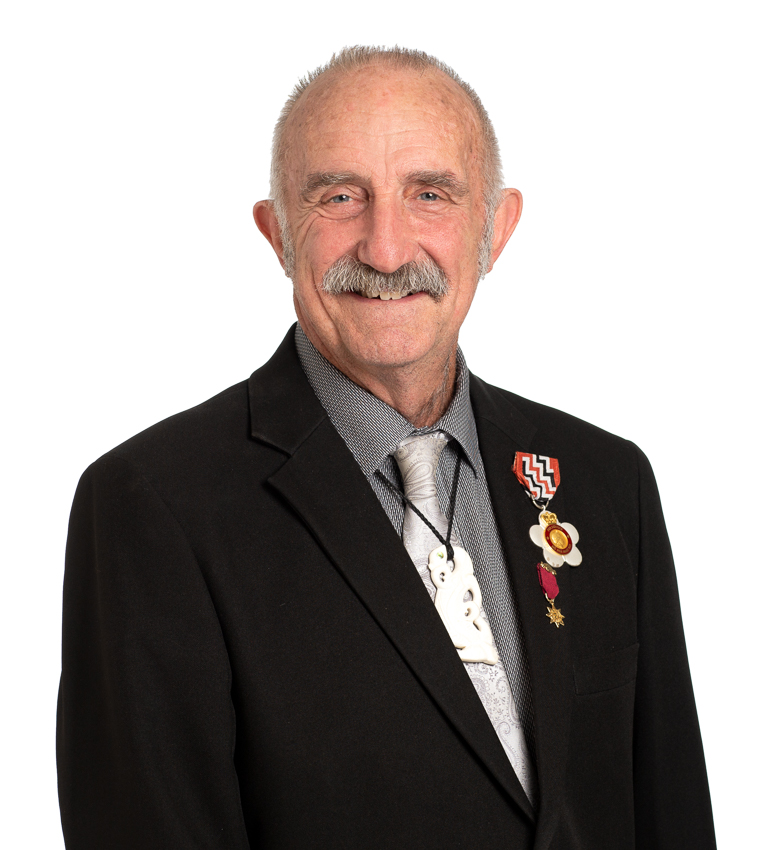
By Mayor John Carter
It is almost a week since tsunami sirens sounded last Friday. It followed an 8.1 magnitude earthquake near the Kermadec Islands about 1000km north of us. This was a big quake with a real chance that a tsunami was on its way.
It is almost a week since tsunami sirens sounded last Friday. It followed an 8.1 magnitude earthquake near the Kermadec Islands about 1000km north of us. This was a big quake with a real chance that a tsunami was on its way. Remember, the 2004 Boxing Day tsunami that killed over 200,000 people was sparked by a 9.1 magnitude quake. By mid-morning, our coast was hit by unusual surges and currents, but our coasts were not inundated. We were lucky.
What had nothing to do with luck was the way you responded. Almost without exception, people in low-lying coastal areas quickly got to high ground. In the Far North, many of you learned of the emergency through our network of tsunami sirens. I think they proved their worth last week. Unfortunately, alarms at Te Kao, Te Paki, Te Hapua and Ngataki did not work due to a power outage. This is being investigated and I anticipate a remedy will be prepared soon.
Many others learned about the emergency from a series of unmistakable National Emergency Management Agency mobile phone messages. Of course, the news media also did a fantastic job of keeping us informed. Radio and television reminded us how valuable mainstream media can be. Their coverage was calm, informative and at times gripping. I had no idea my own live-to-air interview with Radio New Zealand would capture the drama of the evacuation. I was just one of hundreds of people across much of the North Island making sure that friends and neighbours knew they had to get to higher ground.
I was impressed and proud of the way our nation responded. There was no panic. People understood what had to be done and they got on with it. We made sure loved ones were safe and we helped others. My own community of Waipapakauri Ramp was typical. Everyone got the message, and everyone left quickly, including those who needed assistance. About 40 of us ended up on California Hill where we monitored news reports and social media.
Civil Defence across the country and in Northland swung into action and the Council started to set up its Emergency Operations Centre at Kaikohe. Long before we got the all-clear by mid-afternoon, about 100 staff had volunteered to work shifts round the clock and over the weekend if required.
We are grateful that those volunteers weren’t needed. Nevertheless, there will be lessons to learn. Civil Defence and the Council will be looking closely at what can be improved, and I know you will also be thinking about how to do things better. We were fortunate this did not happen at night or during the cold of winter and I think many understand the value of having an emergency ‘go bag’ handy with warm clothes, snacks, water and a medical kit.
Being prepared and building sustainable, resilient communities is our best defence against tsunami along with other threats, including COVID-19 and climate change. That’s something we want to discuss during our Navigating our course public consultation this month. We’ll be visiting a community near you, so come see us and share your thoughts.
Last updated: 04 Apr 2024 12:55pm
ℹ️ You can also subscribe to our monthly newsletter to receive a summary of the latest news and updates from the district, delivered directly to your inbox. Sign up here.