3 waters reforms dilute council input
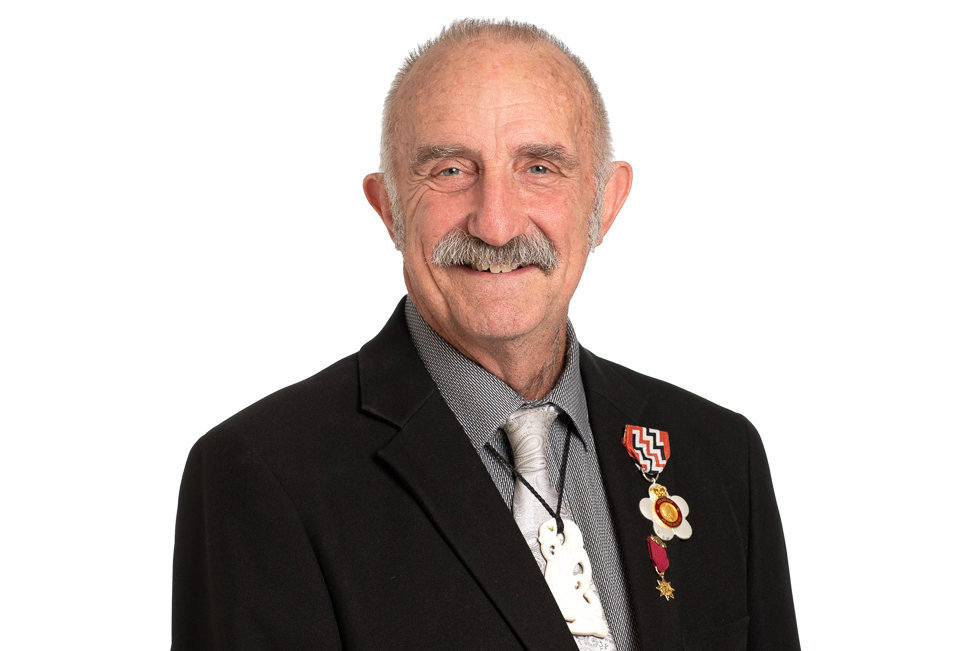
By Mayor John Carter.
A suite of changes to three waters reforms were announced by the government last week to allay concerns of many councils over the future operation and ownership of water, stormwater and wastewater infrastructure. As you most likely know, the government wants to amalgamate the assets currently owned by New Zealand’s 67 councils into four giant water entities.
A suite of changes to three waters reforms were announced by the government last week to allay concerns of many councils over the future operation and ownership of water, stormwater and wastewater infrastructure. As you most likely know, the government wants to amalgamate the assets currently owned by New Zealand’s 67 councils into four giant water entities. In the Far North, our facilities will be combined with those belonging to other Northland councils and with Auckland. This will create what is currently known as ‘Entity A’.
While we all agree New Zealand needs to change the way we operate our three waters assets, like many of my fellow mayors, I am opposed to several aspects of the reforms. To address these concerns, the government has appointed a working group comprised of nine mayors, nine Māori representatives and the Chair of the reforms steering committee. This group presented 47 recommendations to the government, 44 of which were adopted last Friday. The key changes will clarify community ownership by allocating shares in the new water entities to councils. These will be population based – one share per 50,000 people. Mana whenua and councils will also have equal representation on the Regional Representative Groups, and connections with smaller communities will be strengthened.
On the face of it, these seem like good changes. But a more detailed assessment shows that many of the recommendations simply tinker with the reforms and won’t make the model any more palatable to our communities. Kaipara Mayor Dr Jason Smith was one of the nine mayors on the working group. He has expressed his fears that the voice of Northland councils will be swallowed by our much larger neighbour, Auckland. Auckland Council represents more than 1.63 million people compared to the 196,000 living within Northland's three districts. Under the reforms announced Friday, Entity A will have 14 members on its representative group – four from Auckland Council, four from Tāmaki Makaurau iwi, one each from the three Northland councils, and three Tai Tokerau iwi representatives. There is a very real possibility that Auckland’s eight representatives will be able to outvote or overrule Northland’s six representatives..
Local government action group Communities 4 Local Democracy He hapori mō te Manapori is also concerned about Friday’s announcement. The group, which includes the Far North District Council, wants all New Zealanders to access safe drinking water but it also believes all communities should have a say in how these valuable ratepayer assets are dispersed. It contends that the government’s announcement does nothing to guarantee community input, and the new sub-regional groups will reduce the voice of smaller councils.
Another concern is how much-needed upgrades to the nation’s water infrastructure will be paid for. Officials have estimated we may need to spend more than $120 billion over the next 30 years to bring our water, wastewater and stormwater infrastructure up to standard. The current assumption is the four new water entities will have sufficient assets to borrow against. The working group suggested that the government also continue investing in this infrastructure. That was one recommendation the government noted but has not agreed to.
Last updated: 04 Apr 2024 12:56pm
ℹ️ You can also subscribe to our monthly newsletter to receive a summary of the latest news and updates from the district, delivered directly to your inbox. Sign up here.