

Kaitāia water pipeline progressing
Kaitāia is closer to getting a new water source that will reduce the need for water restrictions in dry weather.
The Council has built 10km of a 14km pipeline that will link Kaitāia’s Water Treatment Plant in Okahu Road to aquifer bores at Sweetwater near Awanui.
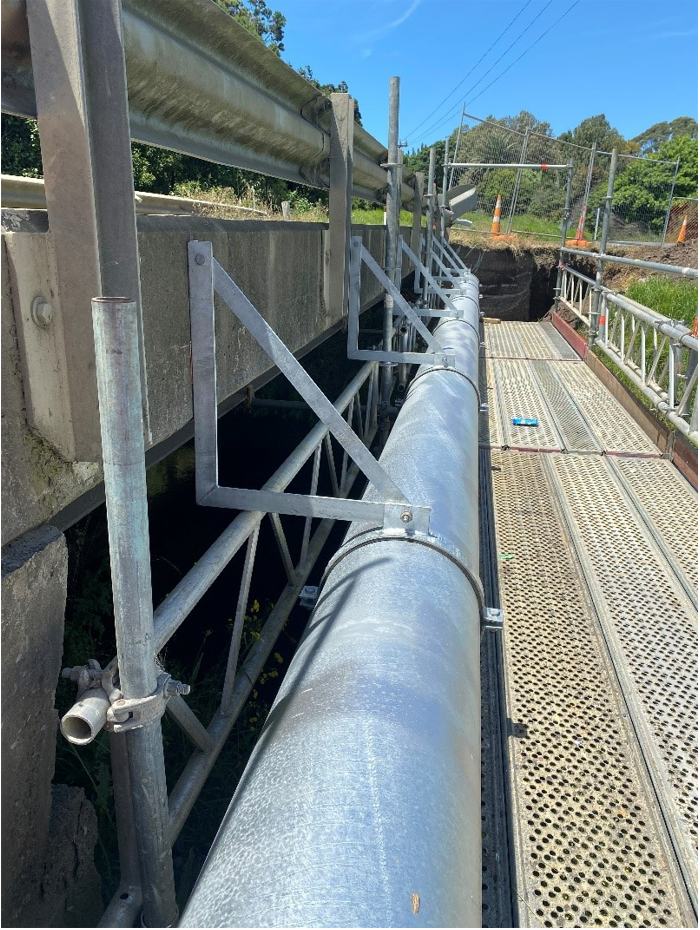
Kaitāia is closer to getting a new water source that will reduce the need for water restrictions in dry weather.
The Council has built 10km of a 14km pipeline that will link Kaitāia’s Water Treatment Plant in Okahu Road to aquifer bores at Sweetwater near Awanui.
The pipeline, constructed over private land, is part of the second and final stage of the Kaitāia Water Project, which is due to be completed by the middle of this year. Phase one of the project involved converting two temporary aquifer bores at Sweetwater into permanent water sources. The bores will provide up to 5000 cubic metres of water a day and supplement the town’s main water source, the Awanui River, which runs low during dry summers.
Andy Finch, General Manager – Infrastructure and Asset Management, says Kaitāia came close to running out of water during the drought of 2010/11 and again in 2019/20 when flows in the Awanui River fell to the lowest levels in 50 years. “This long-awaited project will make Kaitāia’s water supply more drought-resilient, reducing the need for water restrictions in dry weather.”
Water restrictions have become an annual occurrence across New Zealand during dry weather. However, water source data reviewed by the Council’s Water Shortage Management Committee on Wednesday (13 January) showed flows in rivers that supply Far North District Council water schemes at healthy levels. Some rivers were flowing at significantly higher levels than the same time last year, despite ongoing dry weather. These rivers include the Waitangi River which supplies water to Paihia, Ōpua and Waitangi, towns that are typically inundated with summer holiday visitors.
While there are currently no water restrictions in the Far North, the National Institute of Water and Atmospheric Research (NIWA) is predicting drier than normal conditions over the next few weeks. The Water Shortage Management Committee will continue to monitor water sources closely over this period and meet again in two weeks. The Council asks Far North residents to keep using water sensibly in the meantime.
Last updated: 04 Apr 2024 12:55pm
ℹ️ You can also subscribe to our monthly newsletter to receive a summary of the latest news and updates from the district, delivered directly to your inbox. Sign up here.