Drought and El Niño
Drought, dry conditions and El Niño
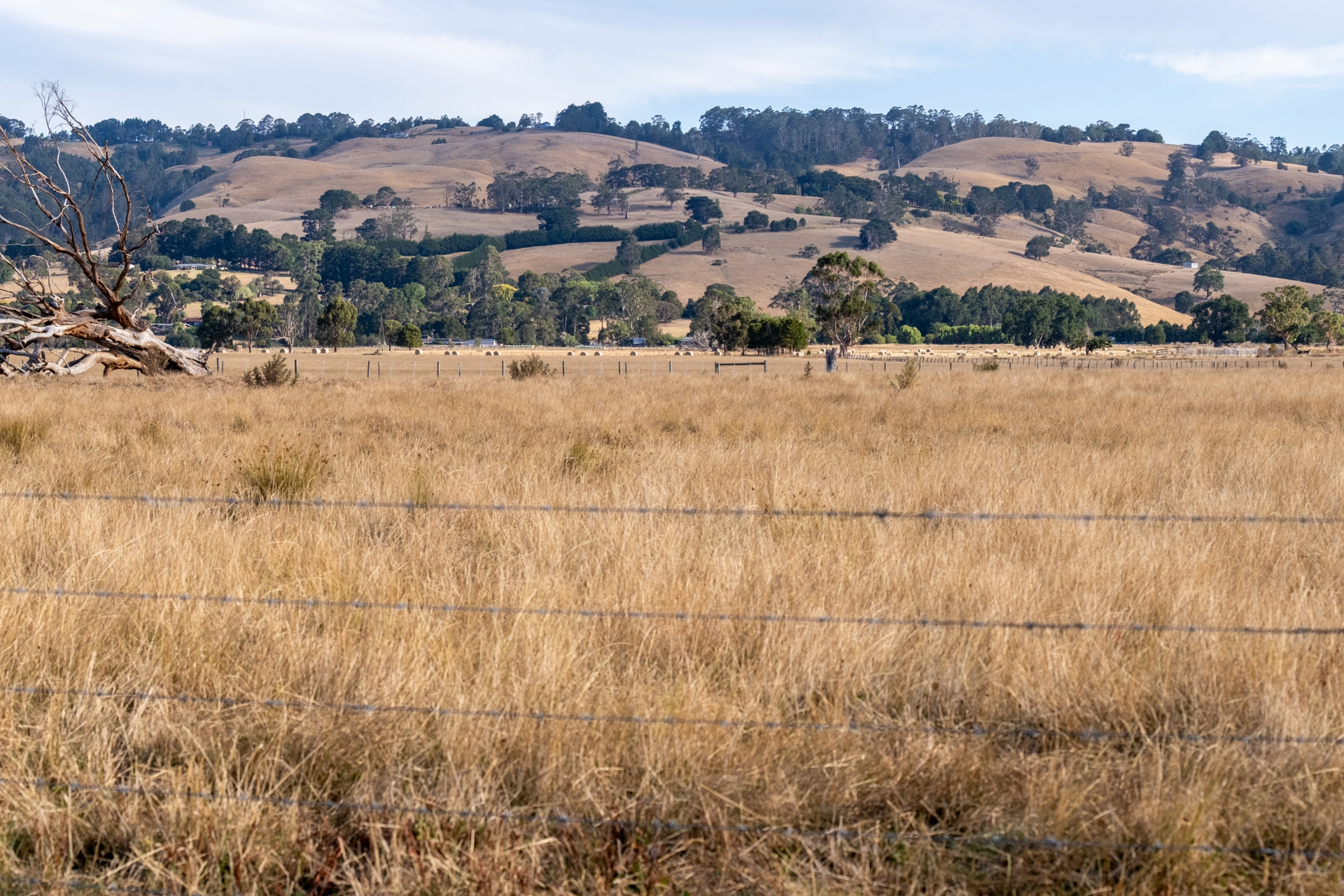
An El Niño weather pattern has been confirmed and has the potential to be one of the strongest on record. For Northland, this could mean reduced rainfall, hotter temperatures, stronger winds and increased wildfire risk. Preparing early and using water wisely can help reduce the impacts on people, animals and the environment.
Through this period, we’re actively monitoring weather, water and environmental conditions across Northland, alongside Northland Emergency Management, which is helping coordinate planning and response with agencies across the region.
This page will help you get prepared, check the climate outlook, find current water restrictions and access support and information during dry weather.
During dry conditions, everyone can help by using water efficiently. Water saved early can help household, rural and public supplies last longer.
At home
- Know where your water comes from and how long your stored supply is likely to last.
- If you rely on delivered water, plan ahead as demand may increase during prolonged dry conditions.
- Have a contingency plan in case your usual water supply becomes unavailable.
- Regularly check tanks, pumps, pipes and taps for leaks.
- Keep gutters and tank inlets clear so you can capture rainfall.
- Use washing machines and dishwashers only when you have a full load.
- Take shorter showers and turn off taps when they are not needed.
- Use collected rainwater or suitable household greywater for gardens where it is safe to do so.
- Follow all water restrictions applying in your area.
On farms, lifestyle blocks and horticultural properties
- Include drought and extended dry conditions in business, feed and water-supply planning.
- Monitor feed, soil moisture and water supplies regularly.
- Identify alternative water and feed sources before they are needed.
- If you rely on delivered water, plan ahead as demand may increase during prolonged dry conditions.
- Check troughs, tanks, pumps and pipes for leaks.
- Make early decisions about stock numbers, feed requirements and animal welfare.
- Seek advice early from your industry organisation, veterinarian or farm adviser.
- Plan for the health and welfare of workers, whānau and animals.
FNDC monitors weather, water and environmental conditions to understand how dry conditions are developing across the region.
During significant dry conditions, FNDC may:
- consider whether regulatory measures, including water shortage directions, are needed.
Find out more about about climate conditions and drought in Northland.
Far North District Council staff are preparing early for possible water shortages ahead of what could be one of the strongest El Niño events in recent history.
View more